
The Story’s Competing Endings
The Box ManDifferent proposed endings—the narrator’s escape, the captain’s drowning, and the nurse’s reunion—remain suspended as rival narratives.
increasing Bearing strength in each event
 decreasing
Bearing strength in each eventdecreasingThe Planned Sale
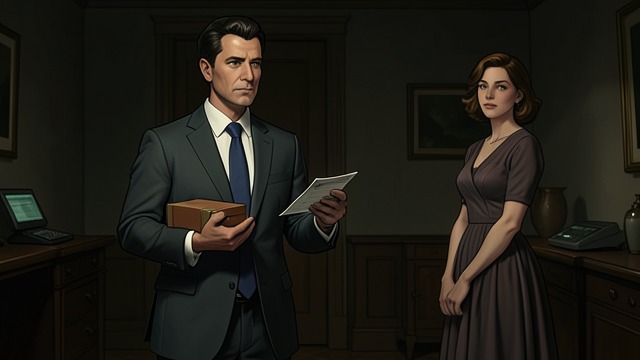
An Ending Imagined as Exchange
A box changes hands
The narrator believes that selling the box may mark a transition out of his old life. The woman’s payment seems capable of closing one chapter and opening another.
The transaction remains unfinished
He keeps the box despite being paid, and the promised disposal does not occur as agreed. The apparent ending becomes a new source of conflict rather than closure.
The Planned Drowning

A Death Given a Procedure
A scenario of concealment
The narrator explains how a body could be made to look drowned and moved to a canal. The detailed mechanics make the imagined ending seem materially possible.
Evidence undermines certainty
He also notes what an autopsy might detect, and the broader account leaves the plan’s author unclear. The scene proposes a conclusion but simultaneously supplies reasons to doubt it.
The Clinic as a Final Stage
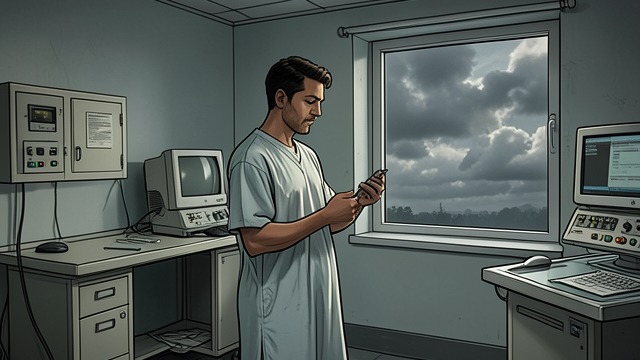
Roles at the Hospital
A scene with assigned parts
The narrator imagines that the nurse and fake box man have placed him in a role. Their actions and his own rehearsed speeches make the clinic resemble a theater.
The performance breaks
The air rifle and sand-filled toy replace dialogue with violence. Even this interruption fails to decide who is actor, author, or genuine box man.
The Romance Ending
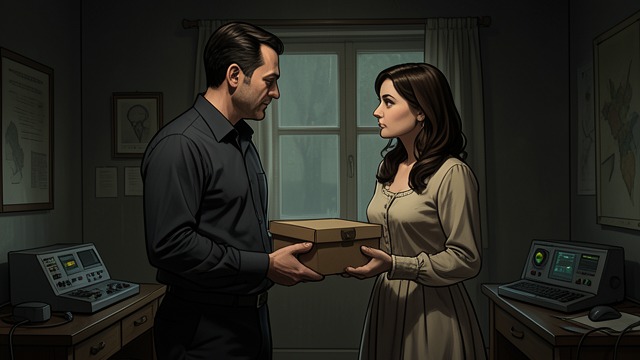
The Embrace as Resolution
Emergence from the box
The narrator claims that he and Toyama Yoko meet naked and embrace after he removes his box. The scene appears to complete his movement from watching to contact.
The text withdraws assurance
A warning about false testimony follows, undermining the scene’s status as fact. The apparent romantic ending may be a wish written into the notes rather than a verified future.
The Ambulance Siren
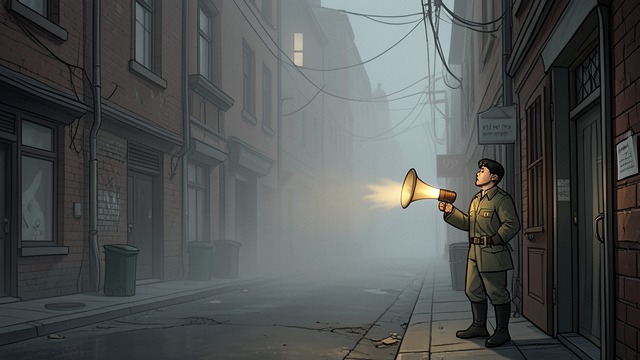
A Sound Instead of a Verdict
The search remains open
The narrator hears an approaching ambulance after describing a world that has become a labyrinth. No account identifies the patient, destination, or relation to the earlier corpse.
Closure is withheld
The siren can suggest danger, rescue, or ordinary city life continuing beyond the narration. The novel ends on a sound that refuses to confirm any of its competing endings.
During the bridge narrative
During the narrator’s account of the executioner
During the hospital confrontation
Near the end of the narrator’s account
At the final cutoff
